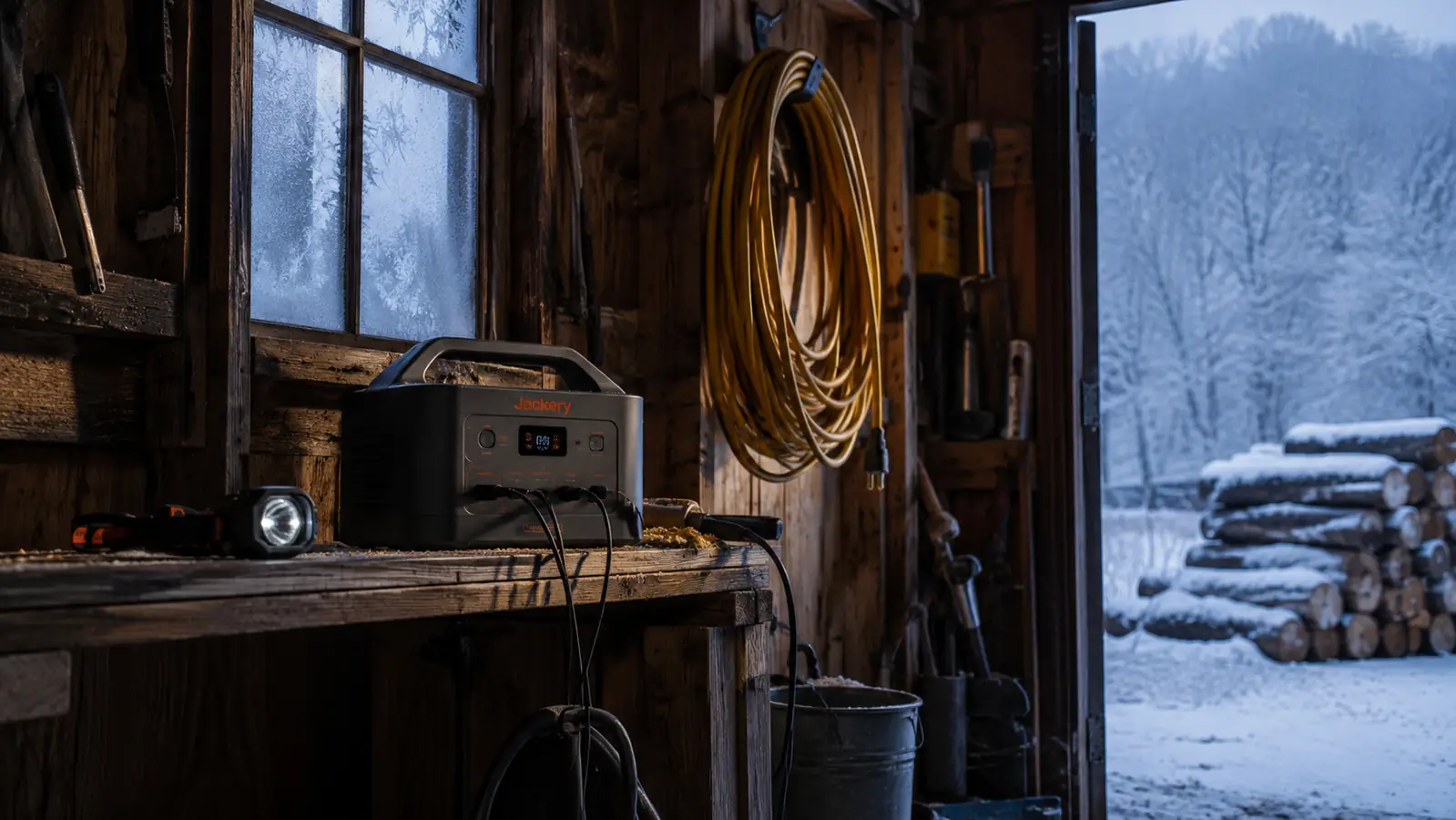
Jackery Explorer 1000 v2 Review: A Winter Running a Cabin Fridge and Well Pump
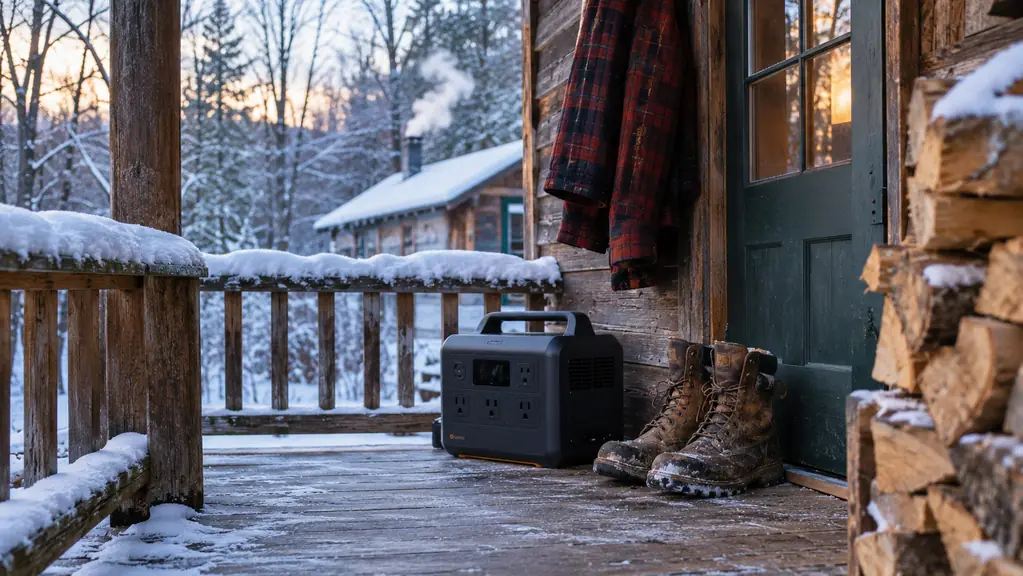
Four months of daily use in an off-grid cabin that gets four below and almost no January sun. What 1,024 watt hours actually covers, and what it will not.
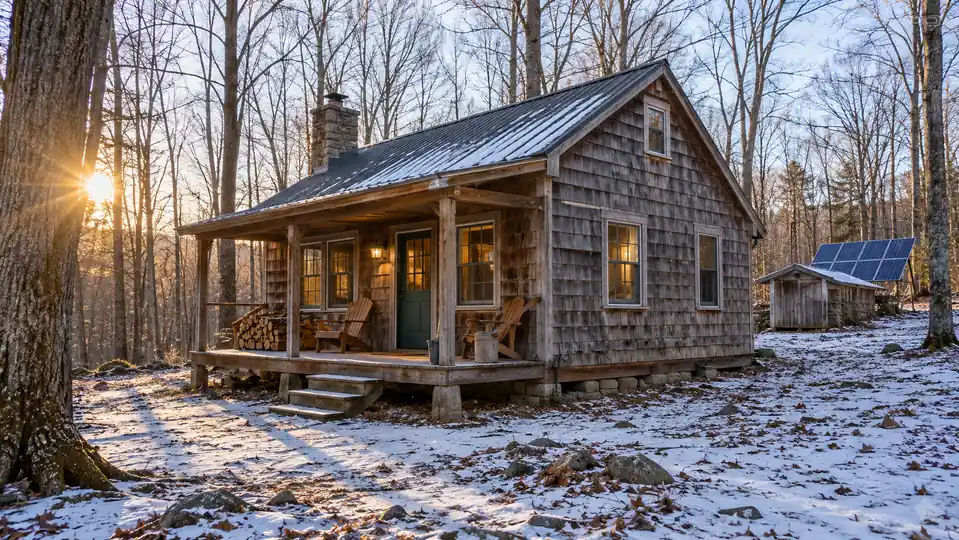
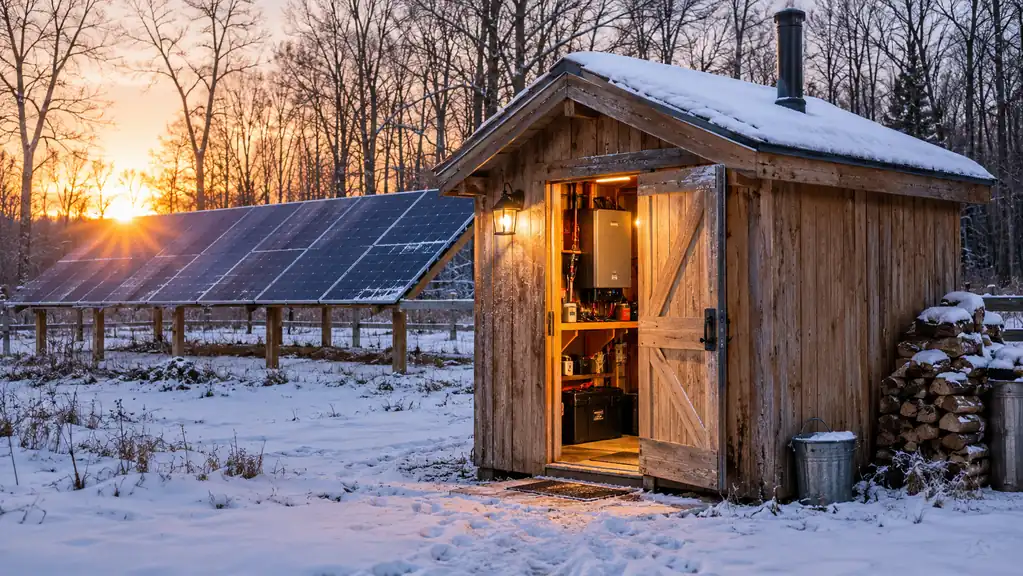
Four days of ice, a solar array under a quarter inch of glass, and the small reserve that kept the lamps and the stove fan going.
Four months of daily use in an off-grid cabin that gets four below and almost no January sun. What 1,024 watt hours actually covers, and what it will not.
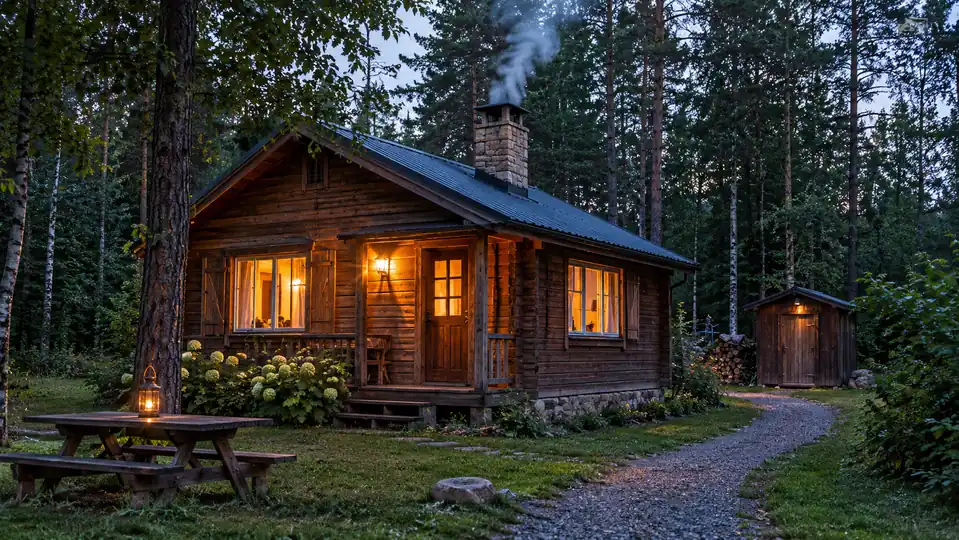
Six years off the grid taught me these two machines do different jobs. Here is where the line actually falls.
Six years in a cabin on 14 acres, one battery I can carry in one hand. Here is what actually earns its place in the power shed, and what I would leave on the shelf.
Four days of ice, a solar array under a quarter inch of glass, and the small reserve that kept the lamps and the stove fan going.
A step-by-step for sizing a power station against the two loads that actually matter, including the part about 240 volt pumps that most guides leave out.
Six months, three outages and one ice storm later: the loads it carried, the loads it refused, and the spec sheet lines that only work if you have a wall outlet.
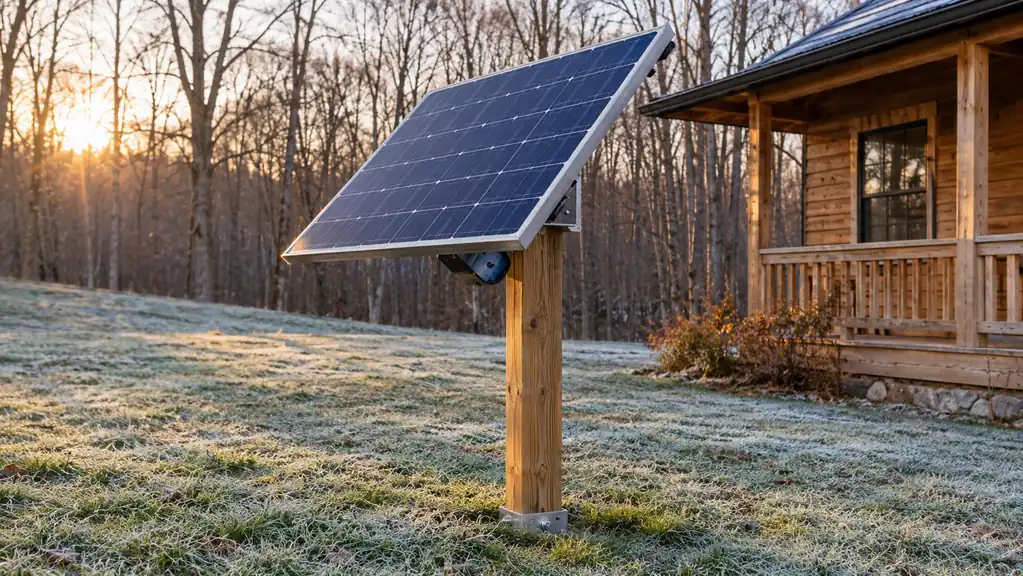
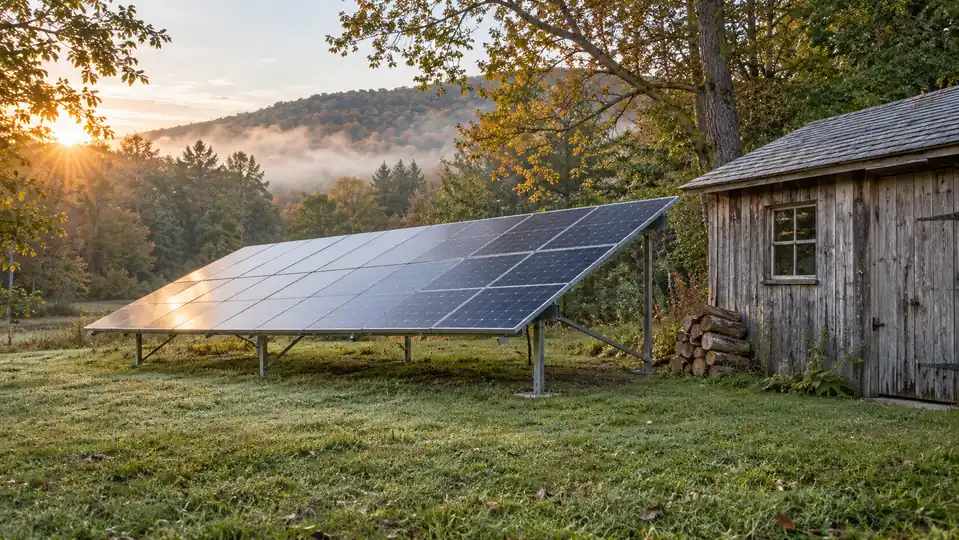
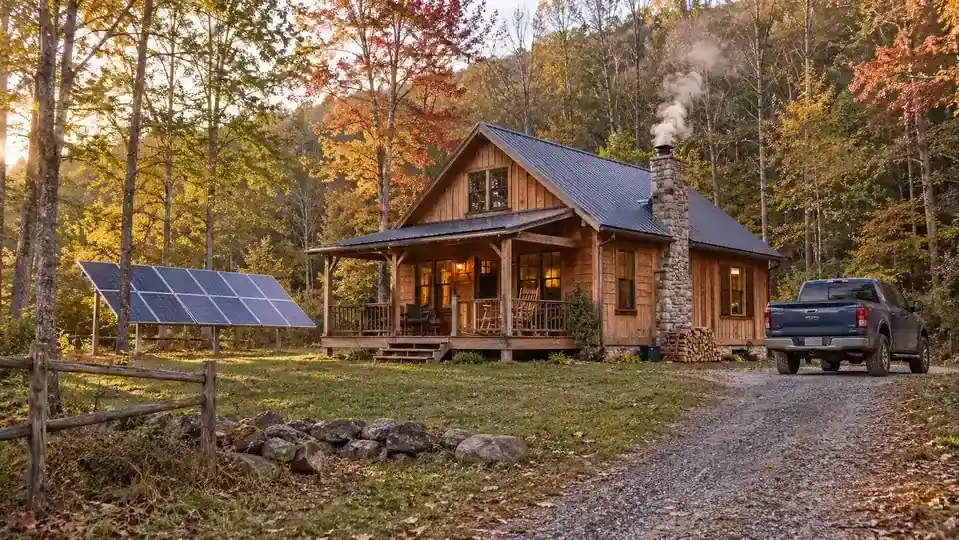
Twelve months, one ice storm, and a lot of gray November afternoons. What a 200 watt kit actually adds to a small off-grid bank in the hills outside Syracuse.
Six years off the grid, one bolted-down kit, one borrowed suitcase panel, and a February morning that settled the argument.
I built my first array out of mismatched pieces and spent three weekends on it. The second one came in a box. Here is the difference, from a power shed in upstate New York.
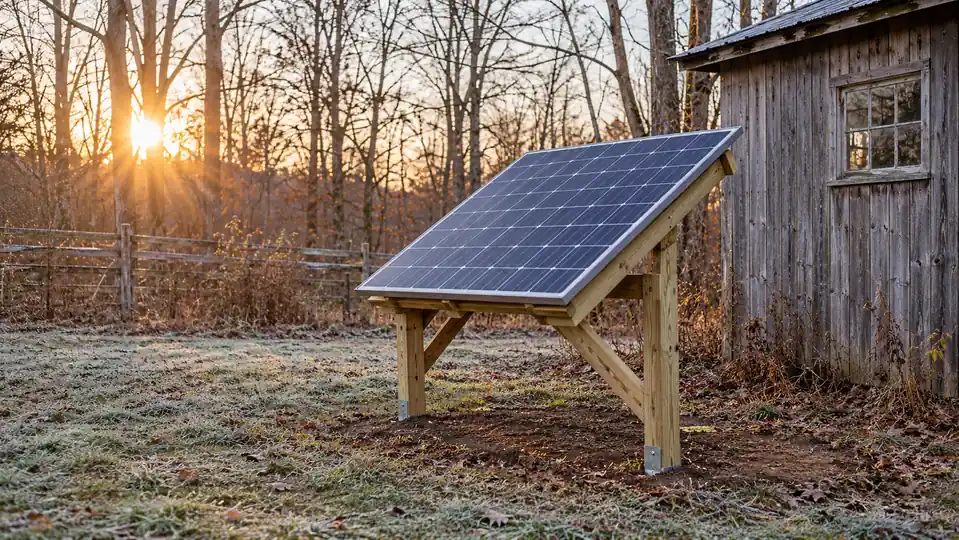
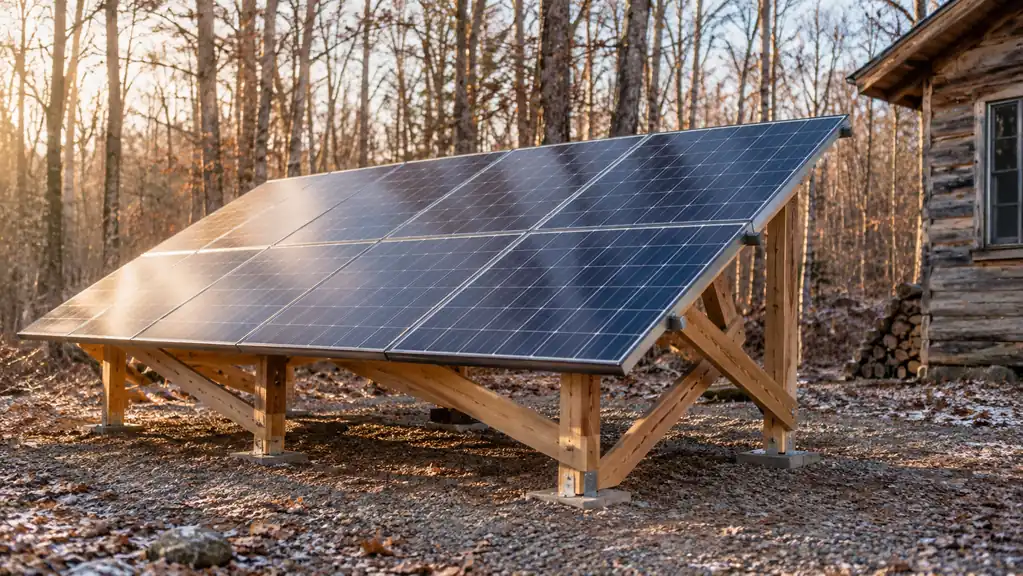
Six years off the grid, one treated frame behind the power shed, and the season I stopped hauling batteries around.
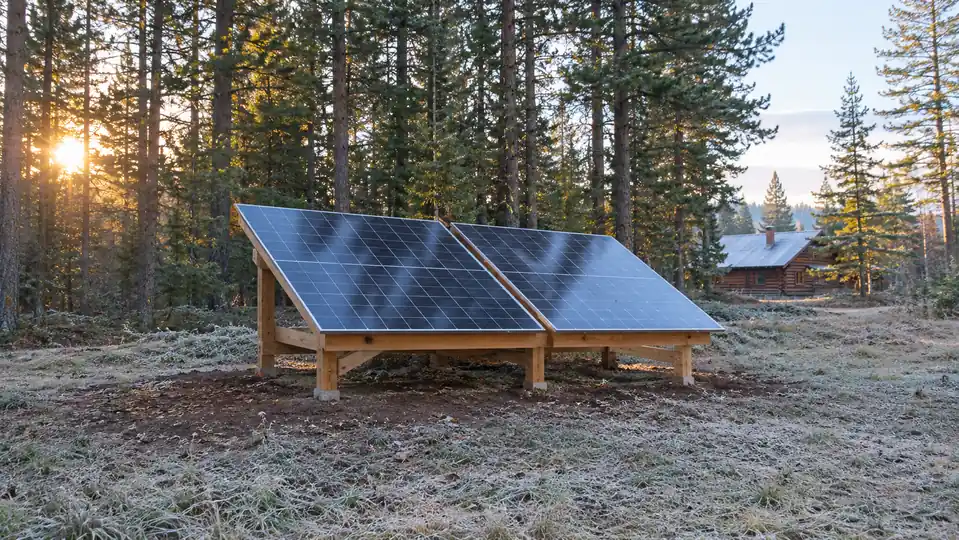
The panels are the easy part. Site, tilt, wire run, and the order you land the connections decide whether a 200 watt kit carries your cabin or just decorates the lawn.
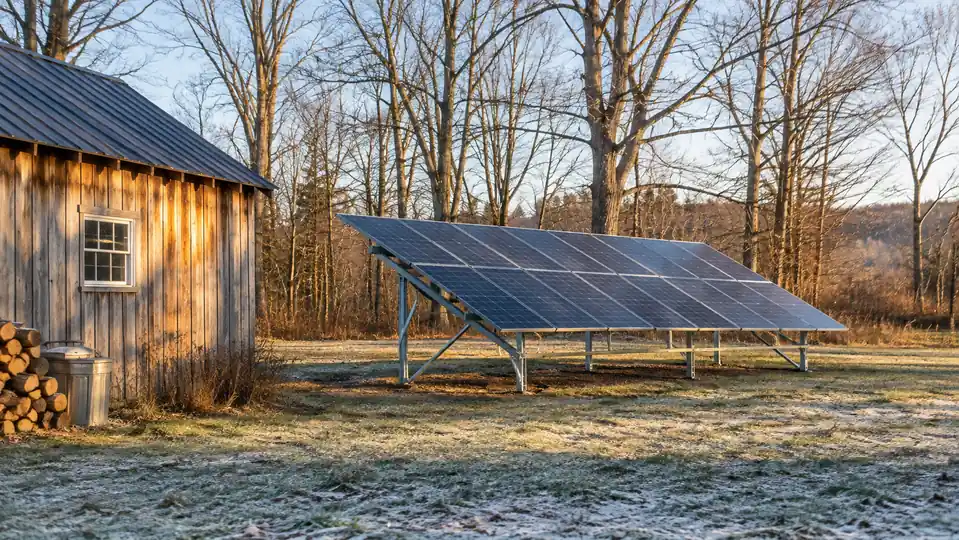
Two seasons running a 200W kit in the upstate New York hills. What the panels do well, exactly where the PWM controller costs you watt-hours, and who should buy something else.
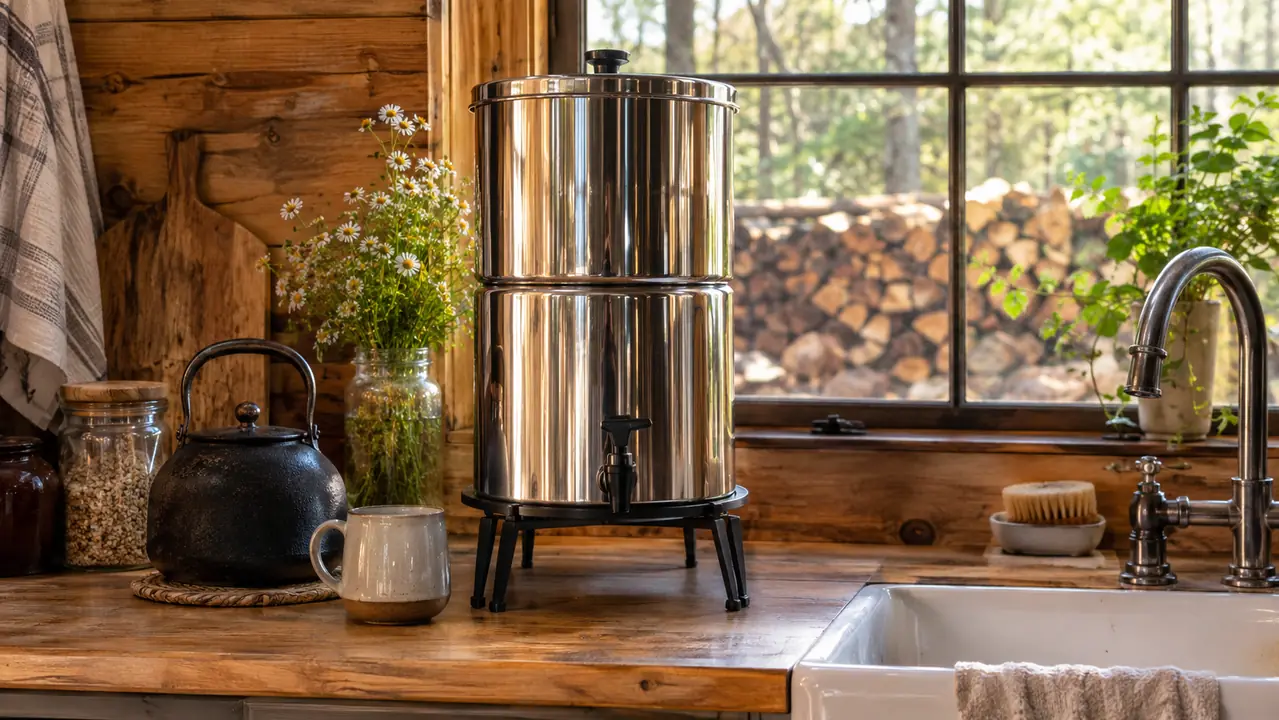
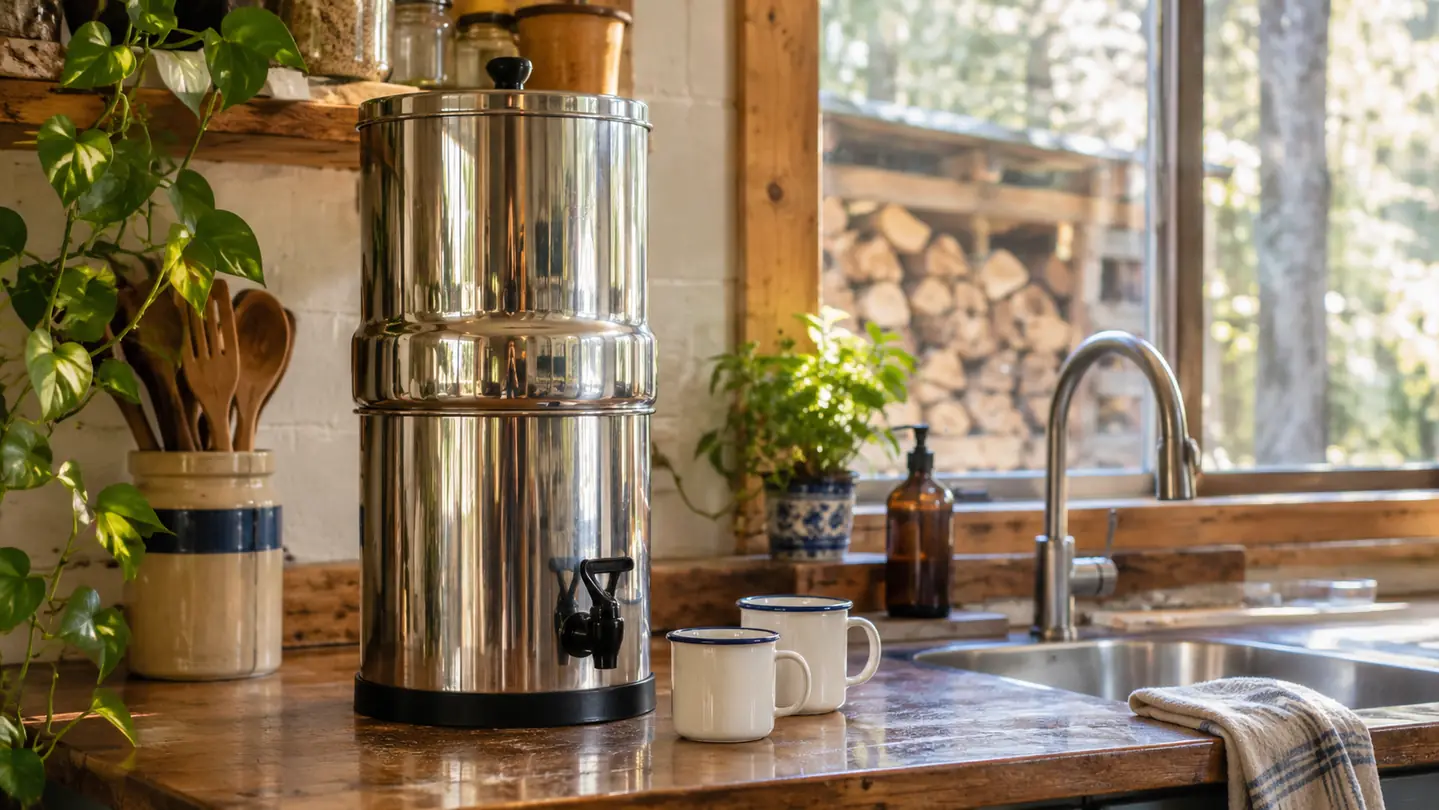
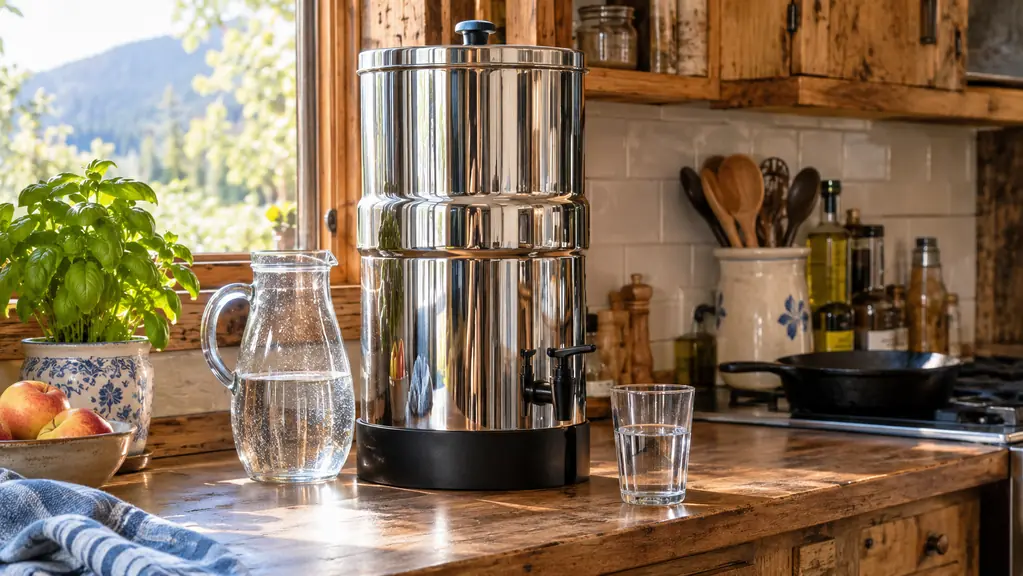
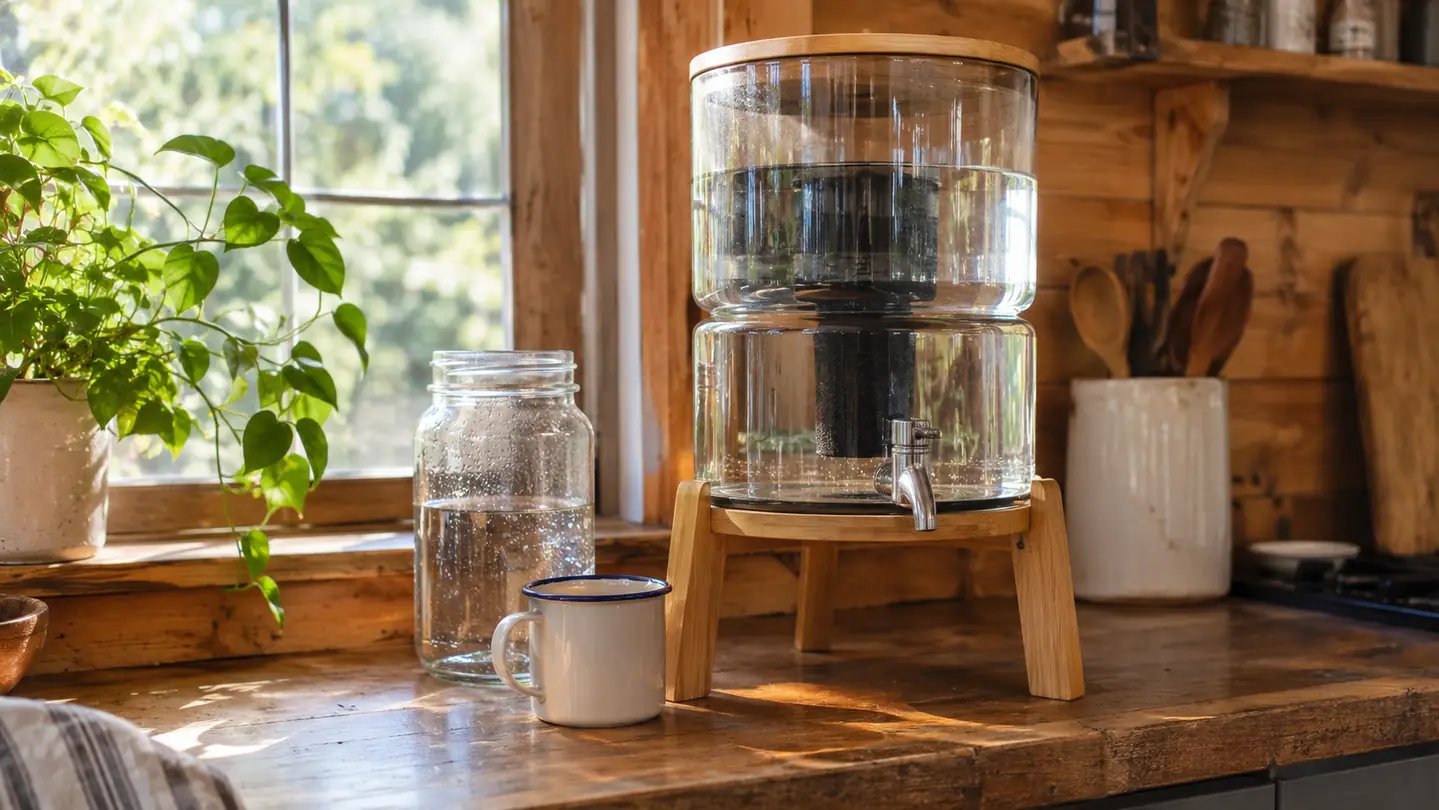
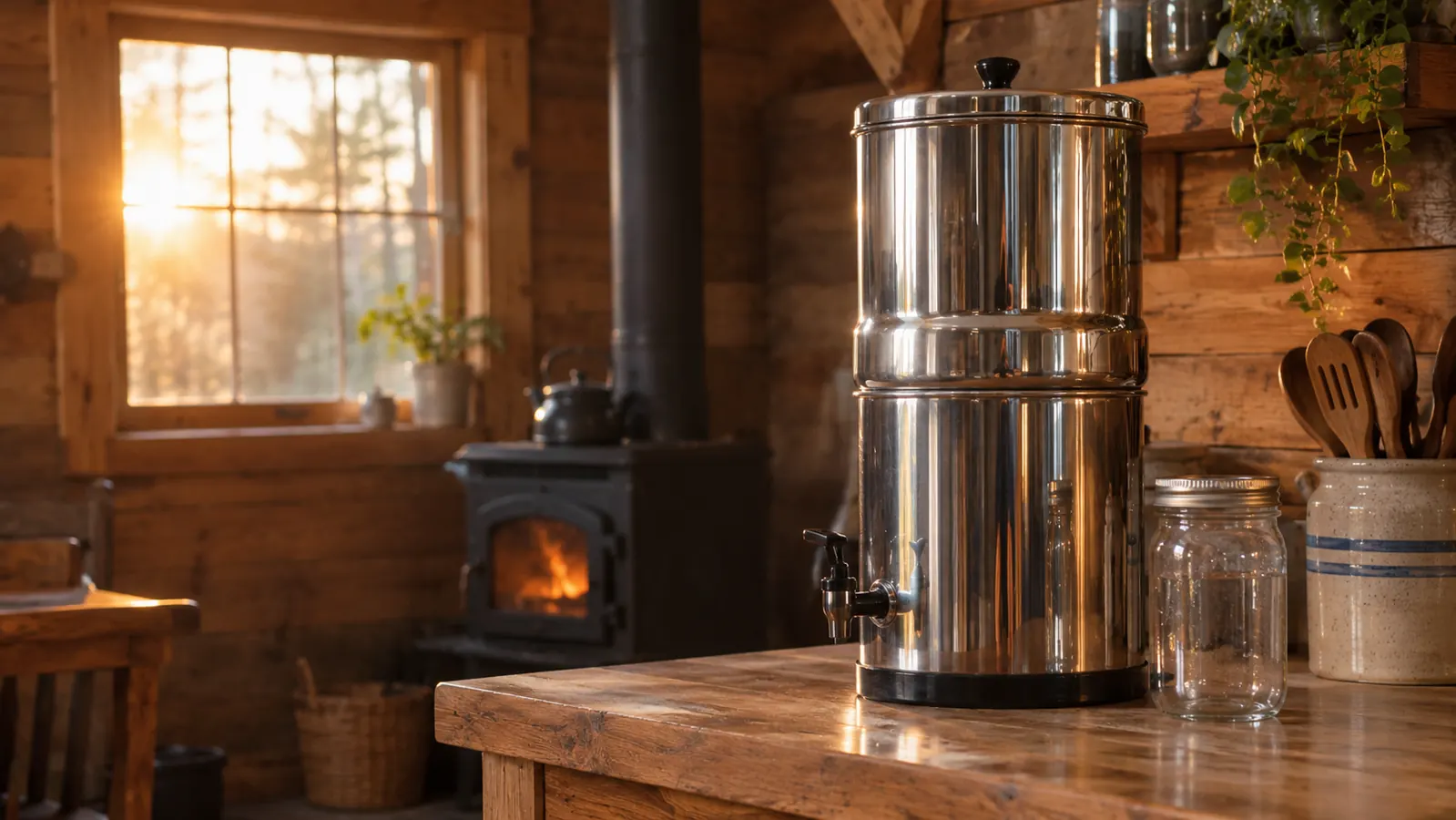
Six years off the grid, a drilled well that runs hard and muddy in spring, and one gravity filter that has never once needed the inverter on. Here is the honest accounting after two winters.
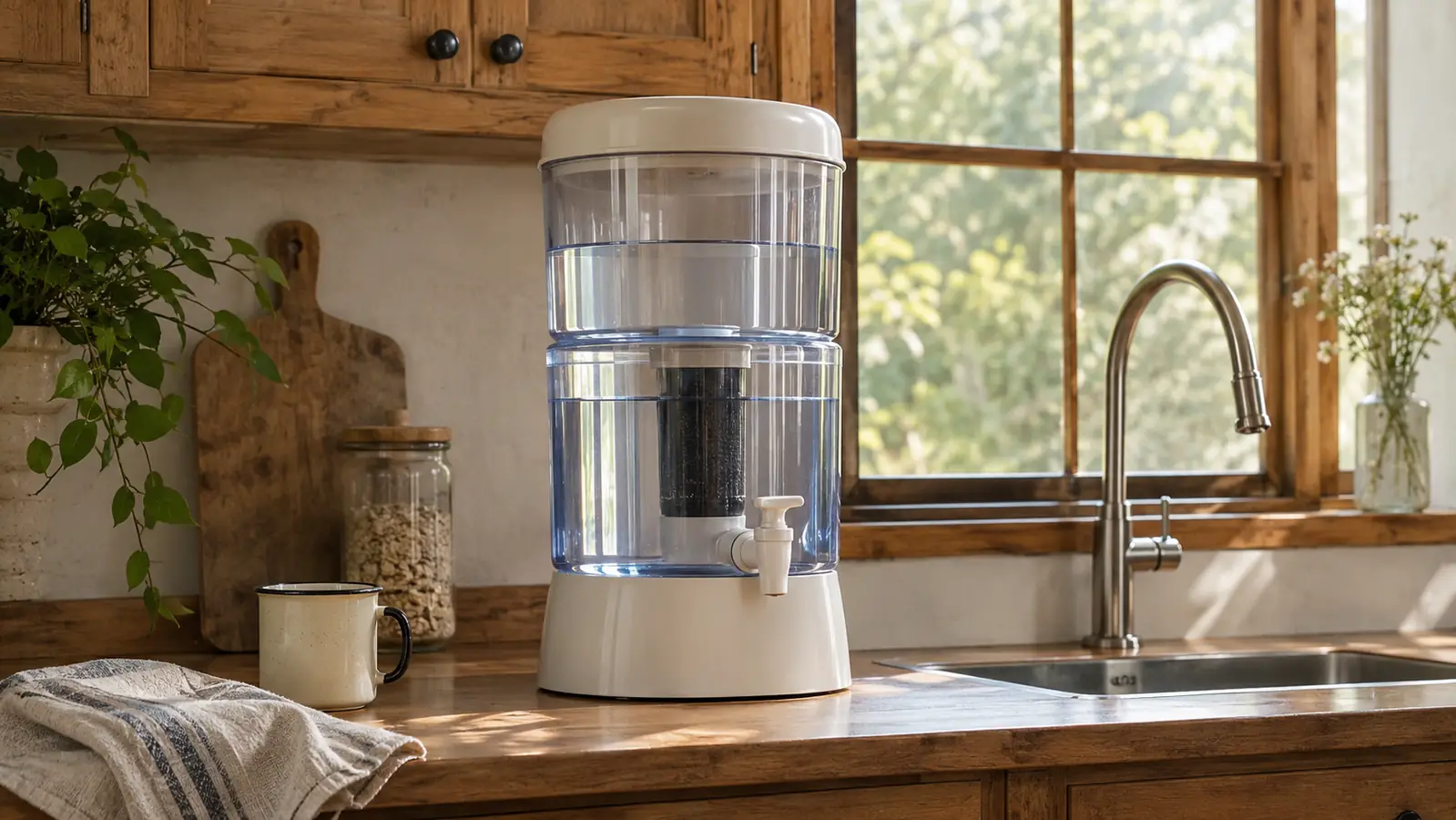
A millwright compares a gravity filter and a pitcher filter after six years on a drilled well.
Six years on 14 acres with a drilled well and a solar array taught me which equipment earns its counter space. Here are ten reasons the gravity filter earned mine.
A drilled well, three days of rain, and the countertop fix I should have made two years earlier.
The order I would hand a neighbor: test the source, set the unit where it belongs, then build the daily routine that keeps it producing. Notes from six years on a drilled well.
Four years on a cabin counter: what the flow rate really feels like, what the specs quietly rule out, and the two things that still irritate me.
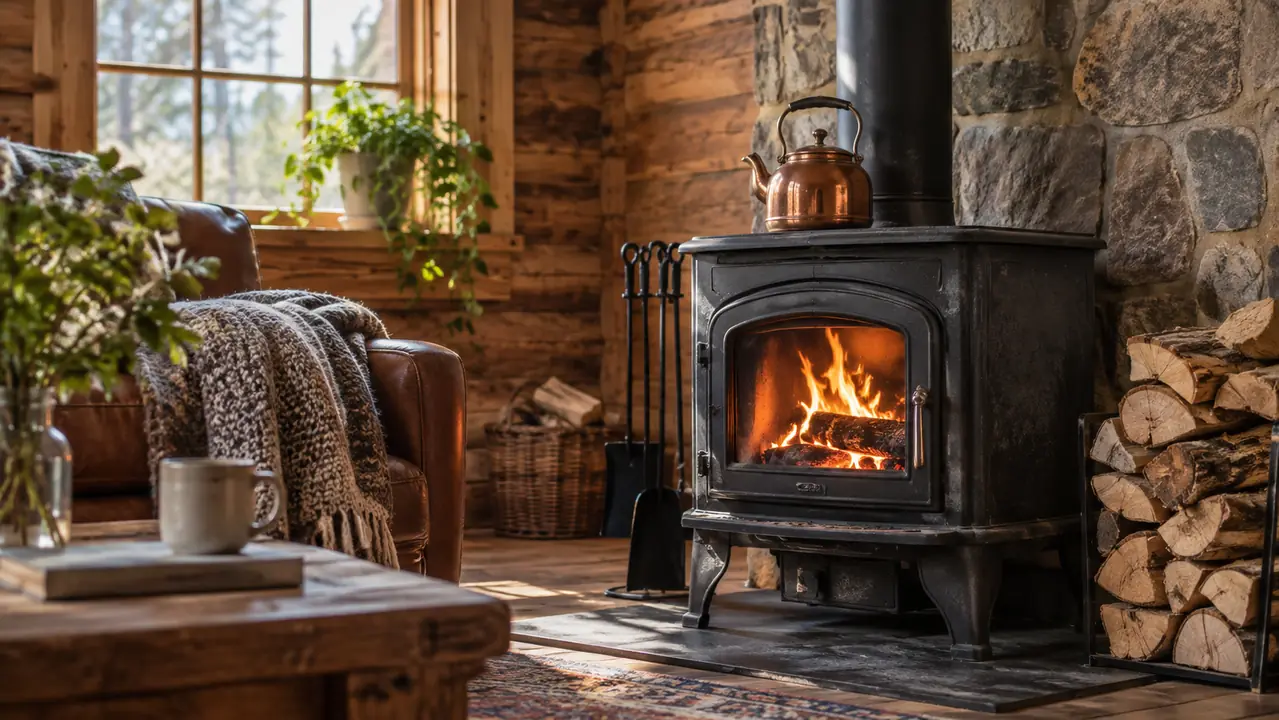
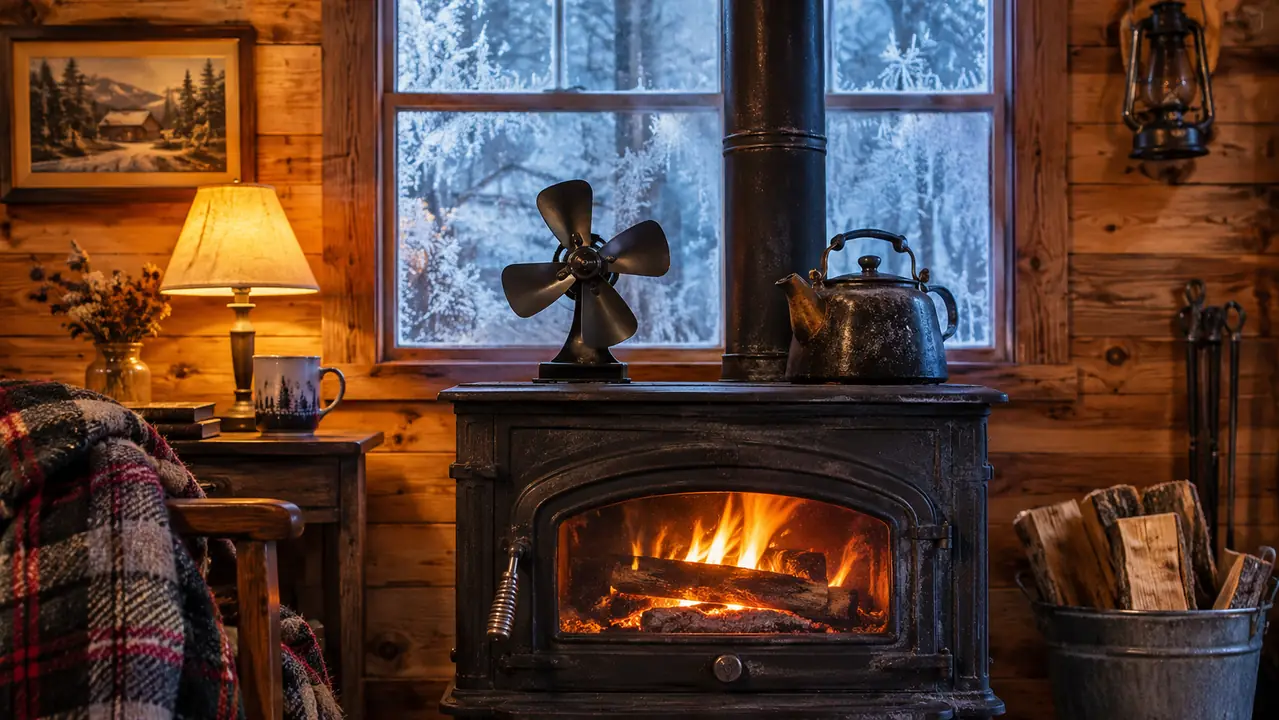
Three winters on the stove top, one season of notes, and an honest look at what a heat powered fan does and does not do for a long cabin room.
A side-by-side look at a heat-powered stove fan and a plug-in electric fan from a cabin that makes its own power.
Ten winters of notes from a 24 by 32 foot cabin on 14 acres: what a heat powered fan actually did to my woodpile, my battery bank and the cold end of the room.
Five winters of a cold back bedroom, one small fan on the stove top, and the difference between moving heat and making more of it.
Five steps that moved warm air from the front room to the far bedroom in a 24 by 32 cabin, plus the mistakes that cost me two winters.
Two heating seasons on a cabin stove top, including the parts of the listing that don't survive contact with a real fire.
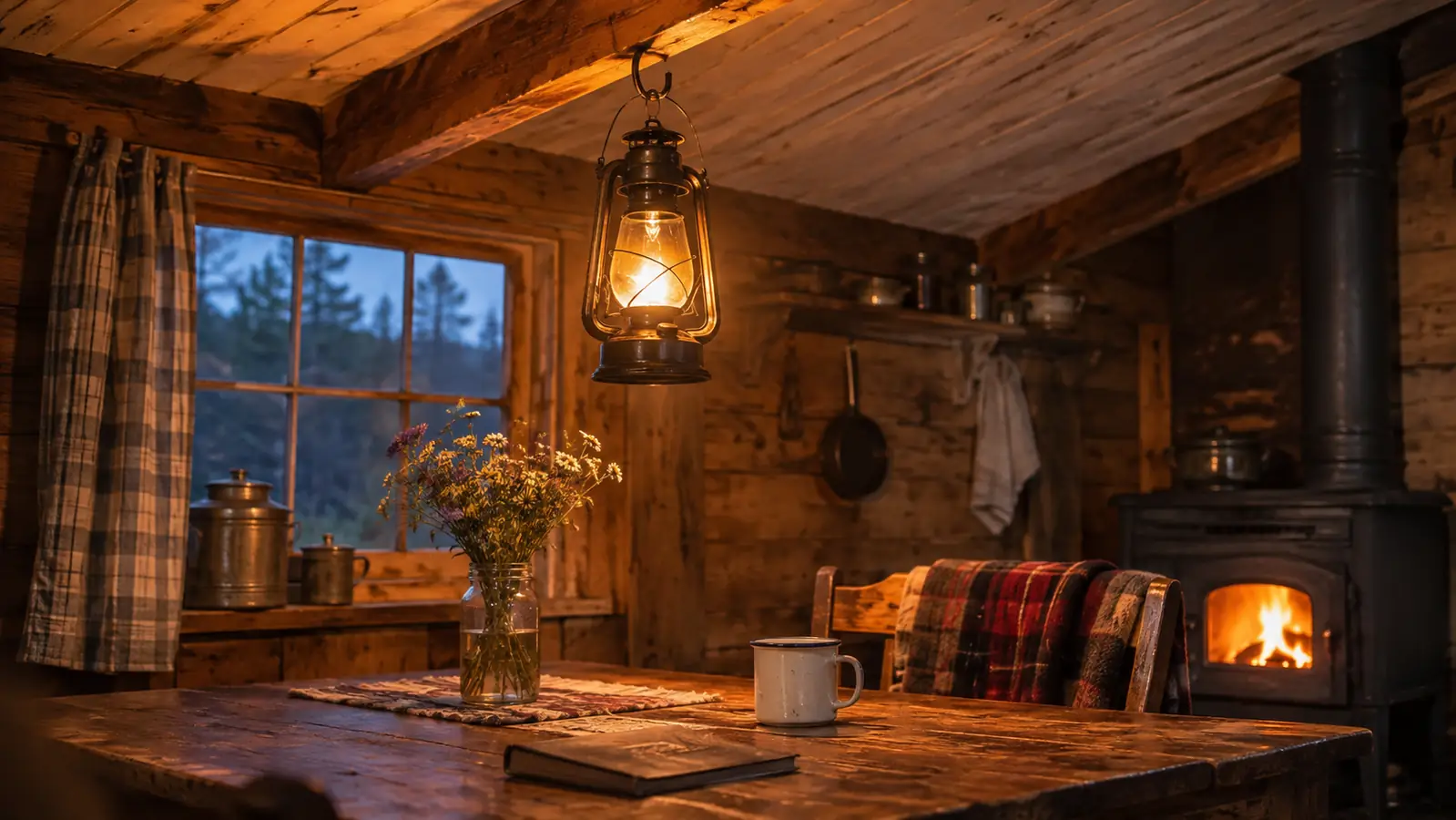
Two outages, a February ice storm, and a long run of evenings on the porch. What a 1000 lumen rechargeable lantern actually does in a 24 by 32 foot off-grid cabin.
Six years off the grid taught me the right lantern depends on where it sleeps, not on which one looks tougher in the catalog.
Not a gadget. Not a backup for a backup. The one thing I reach for when the power shed does something I did not plan for, and why it earns its nail by the door.
A February ice storm, a drawer full of dead flashlights, and the one change that ended the search for good.
Five steps that took my cabin from kerosene and dead flashlights to a room you can actually read in, without a single new wire.
Two winters of nightly use on an off grid property in upstate New York, including the runtime figure nobody explains and the plastic body you should think about before you buy.
Four months of daily use in an off-grid cabin that gets four below and almost no January sun. What 1,024 watt hours actually covers, and what it will not.
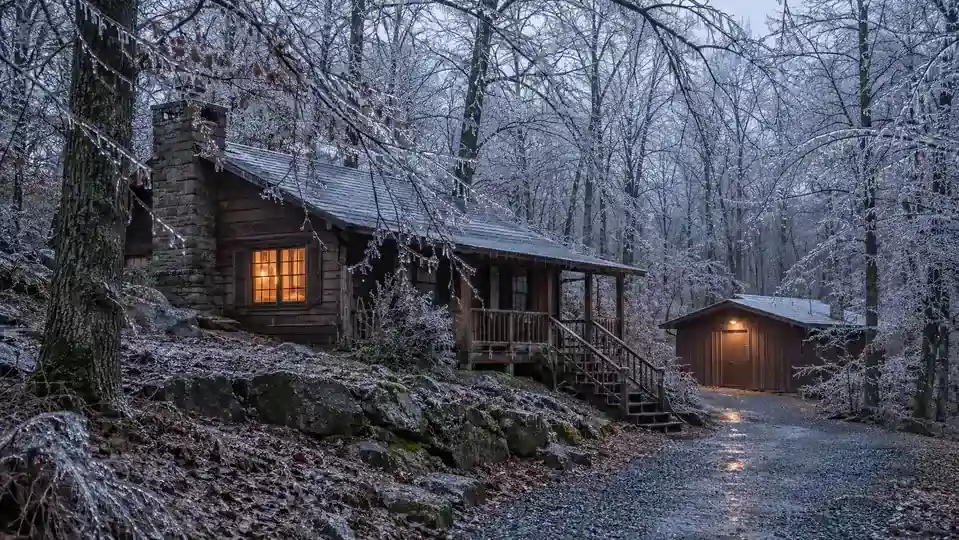
Six months, three outages and one ice storm later: the loads it carried, the loads it refused, and the spec sheet lines that only work if you have a wall outlet.
Twelve months, one ice storm, and a lot of gray November afternoons. What a 200 watt kit actually adds to a small off-grid bank in the hills outside Syracuse.
Two seasons running a 200W kit in the upstate New York hills. What the panels do well, exactly where the PWM controller costs you watt-hours, and who should buy something else.
Six years off the grid, a drilled well that runs hard and muddy in spring, and one gravity filter that has never once needed the inverter on. Here is the honest accounting after two winters.
Four years on a cabin counter: what the flow rate really feels like, what the specs quietly rule out, and the two things that still irritate me.
Three winters on the stove top, one season of notes, and an honest look at what a heat powered fan does and does not do for a long cabin room.
Two heating seasons on a cabin stove top, including the parts of the listing that don't survive contact with a real fire.
Two outages, a February ice storm, and a long run of evenings on the porch. What a 1000 lumen rechargeable lantern actually does in a 24 by 32 foot off-grid cabin.
Two winters of nightly use on an off grid property in upstate New York, including the runtime figure nobody explains and the plastic body you should think about before you buy.